Research Projects
Predictive Modeling and Clinical Translation
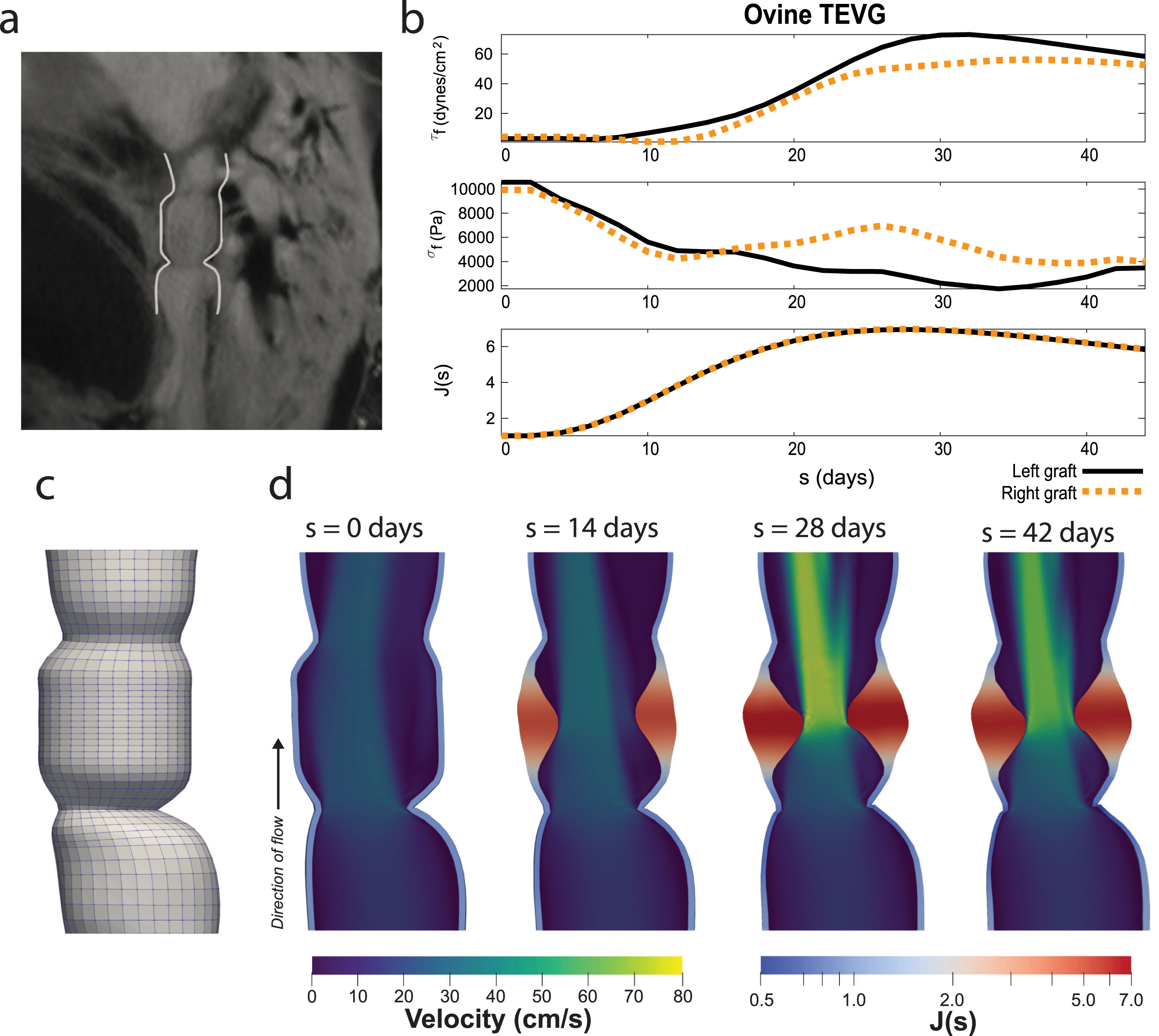
We use computational models of cardiovascular behavior to predict surgical outcomes, define safety limits, and advance the clinical translation of new cardiovascular technologies.

Multiscale Modeling and Machine Learning Integration
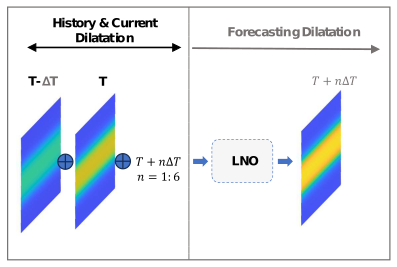
We combine multiscale physics-based simulations with scientific machine learning to connect biological mechanisms, vascular development, and predictions of cardiovascular disease.


Multiphysics Solvers
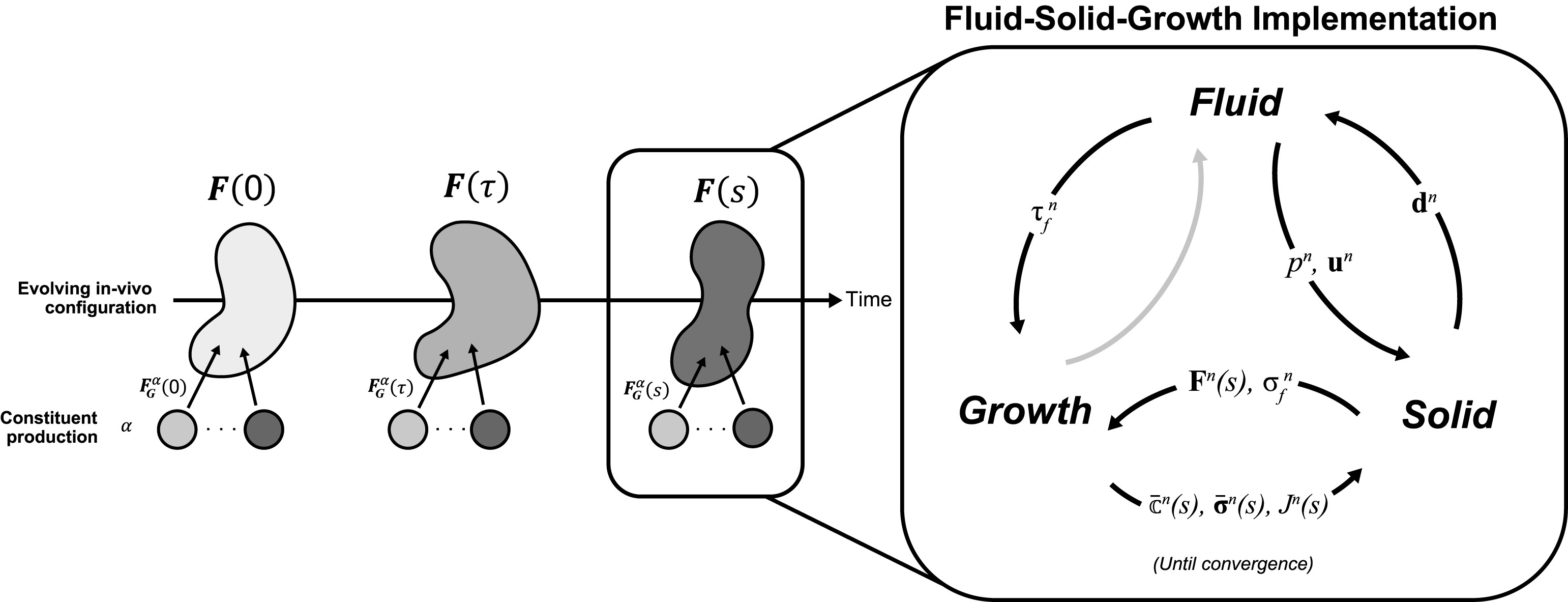
We develop multiphysics solvers capable of simulating complex cardiovascular behavior. This includes integrating mathematical models of fluid dynamics and vascular solid mechanics into finite-element frameworks and designing novel numerical methods to improve accuracy and computational efficiency. The resulting solvers are used for translational medical research and are available as open-source tools for the scientific community.